The skin story
The skin results GLOW peptide borrows
The copper peptide has a genuine topical literature. That is exactly why the formulation and route deserve more attention than the flattering photographs.
Topical GHK-Cu findings on firmness
Skin is the part of the GLOW story with the most natural fit to its name. The GHK skin-regeneration review describes collagen and other tissue-matrix production, along with topical findings on elasticity, density, firmness and fine lines. Cell findings and visible cosmetic changes are different sorts of result, but both contribute to this constituent's record.
A claim about GLOW peptide for skin often makes an extra journey: from GHK-Cu in cells or on skin to GHK-Cu injected with BPC-157 and TB-500. That journey has not been tested in a controlled human blend study. The same applies to sagging or loose skin. The topical firmness finding leaves GLOW's effects unestablished.
I prefer the result with its formulation still attached. Skin that behaved differently under a specified topical formulation is interesting enough without borrowing a whole-body conclusion.
The copper did cross skin. The experiment stopped there.
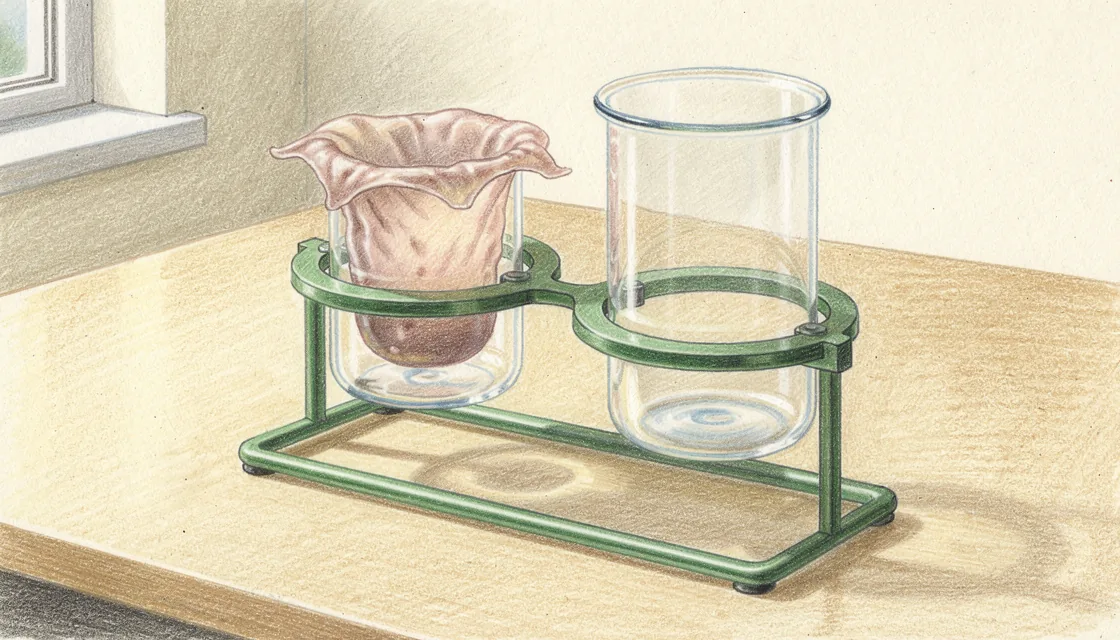
The 2011 copper-penetration study used excised human skin, outside a living person. It measured copper applied as a GHK-Cu tripeptide as it crossed skin layers and remained in the dermis. Over 48 hours, 136.2 ± 17.5 microg/cm² of copper permeated, while 97 ± 6.6 microg/cm² was retained as a dermal depot.
A depot here means a retained store in tissue. It establishes delivery; cosmetic benefit from this quantity and safety after systemic GLOW use remain unmeasured. The fact that the material was human skin does not turn this into a clinical treatment study.
This result gives the copper story some physical substance: the copper was measured directly. It also leaves a question that the pleasant branding tends to obscure. The benefit of tissue retention remains uncertain, particularly where copper handling is already impaired.
The hair result used another combination
I expected the much-repeated hair figure to come from plain GHK-Cu. It does not. The 2016 hair-growth trial tested a topical complex of 5-aminolevulinic acid and glycyl-histidyl-lysine peptide in 45 men with androgenetic alopecia over 6 months.
Hair count in the measured area increased by 52.6 at 100 mg/mL and 71.5 at 50 mg/mL, versus 9.6 with placebo. These are absolute hair-count changes. The study reported no adverse events.
The lower concentration having the larger reported increase is another reason to resist turning the figures into a tidy more-is-better story. These results describe the tested formulations; a GLOW dose-response relationship remains unestablished. The product was neither pure GHK-Cu nor the GLOW blend, and it went on the scalp rather than being injected.
The actual human trial deserves to be recognized. So does the distance between that trial and the claim that GLOW grows hair.
GLOW peptide before and after is a lighting problem, too
A photograph can show an appearance without establishing its cause. Light, elapsed time and other skin care complicate a GLOW peptide before and after comparison. Community descriptions of brighter skin, softer lines or less shedding are anecdotal accounts, not clinical evidence, and no controlled GLOW trial measured those changes.
A flattering photograph has fewer obligations than a trial. It does not have to establish which ingredient was present, what else changed, or how a comparison group behaved. My skepticism concerns the explanation attached to the picture while allowing that a person can honestly report a change.
The community reports include unwanted experiences as well as the bright-skin story. The human safety studies ask another question entirely.